


-

Add: HeBei ShengShi HongBang Cellulose Technology CO.,LTD.
-

Email
13180486930@163.com -

CONTACT US
+86 13180486930
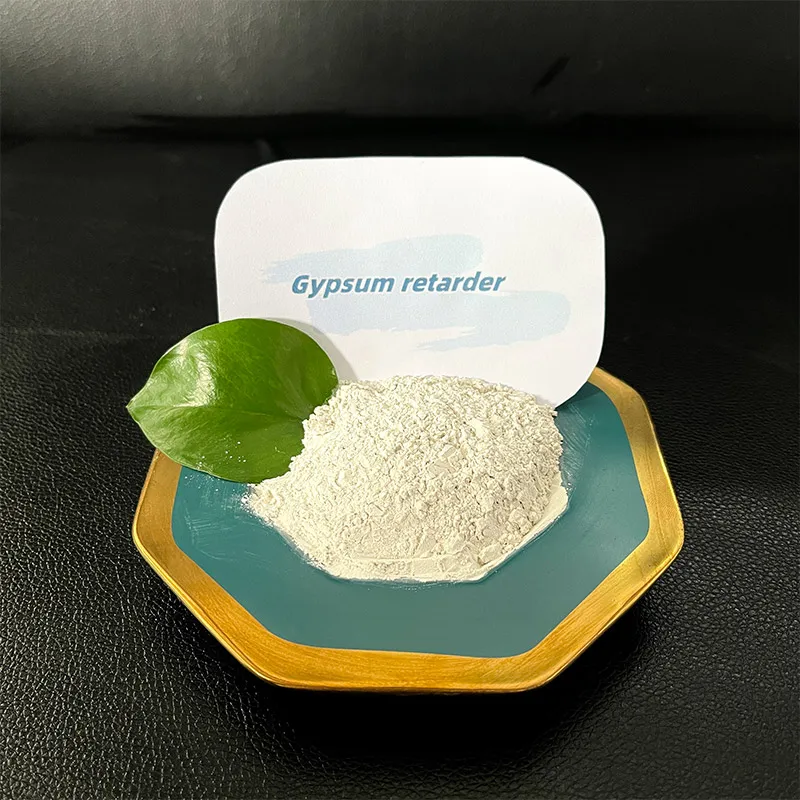

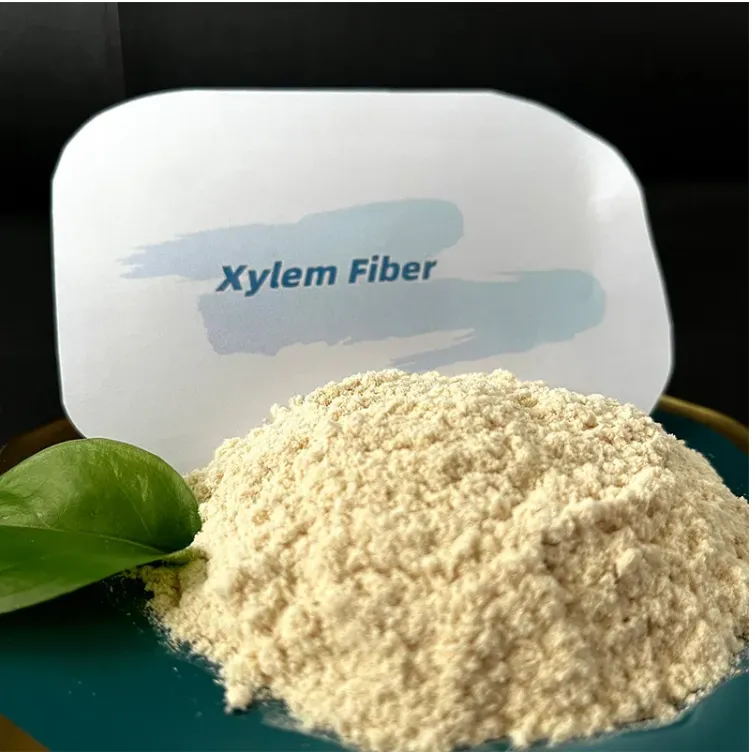
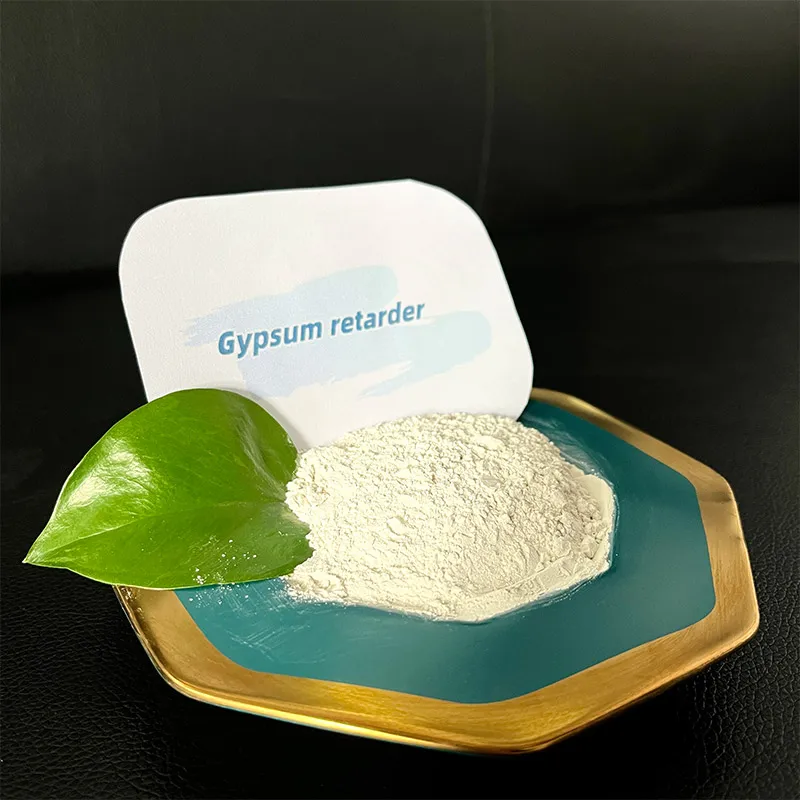



wood cellulose xylem fiber fibre made from wood pulp cellulose extraction from wood cellulose wood fibers Industry Overview & Future Trends: Wood Cellulose Fiber The global demand for sustainable, high-performance fibers is surging, driven by environmental regulations, industrial modernization, and the urgency of reducing dependence on synthetic materials. Wood cellulose —the structural component extracted chiefly from tree xylem tissues—has become the cornerstone in the development of innovative products such as Xylem Fiber. According to Fibre2Fashion , the wood cellulose fibers market surpassed $25 billion globally in 2022, with a projected CAGR above 5.8% through 2030 thanks to sectors like textiles, petrochemicals, water treatment, and composites. Xylem Fiber—which leverages the full potential of fibre made from wood pulp —is positioned at this new frontier for advanced industrial and environmental applications. Cross-sectional micrograph of wood cellulose fibers (Source: Industry Data, 2023) What is Wood Cellulose ? Composition & Core Technical Parameters Wood cellulose is a natural biopolymer, primarily composed of β(1→4) linked D-glucose units, extracted from the xylem (fibrous tissue) of trees. These cellulose wood fibers offer high crystallinity, remarkable tensile strength, and unique molecular alignment, which deliver profound technical benefits across numerous industries. Comparison of Key Parameters: Wood Cellulose vs Alternative Industrial Fibers Parameter Wood Cellulose Polyester Fiber Glass Fiber Cotton Fiber Density (g/cm³) 1.5–1.6 1.38 2.54 1.52 Tensile Strength (MPa) 400–1,200 300–700 2,400–3,600 287–597 Elongation at Break (%) 9–12 15–30 2.5–4.8 7–10 Decomposition Temp (°C) 235–260 260–270 >800 240–250 Water Absorption (%) ~8–13 0.4 0.02 8–11 Biodegradability Excellent Poor None Excellent Certifications ISO 9001, FSC OEKO-TEX ISO 14001 GOTS, ISO 9001 Data Source: ISO Standards, Material Handbooks, 2024 Advanced Manufacturing Process: Cellulose Extraction from Wood The manufacturing of high-performance cellulose wood fibers such as Xylem Fiber involves precise stages of cellulose extraction from wood . Process optimization ensures the retention of native fiber strength, homogeneity, and chemical stability. Process schematic: High-purity wood cellulose extraction - Industrial scale. Wood Cellulose Manufacturing Workflow 1. Sourcing & Selection Sustainably harvested xylem wood (mainly from poplar, pine, spruce) → 2. Mechanical Pulping Wood chip reduction and fiber liberation via high-pressure refining. → 3. Chemical Pulping Delignification using the Kraft or sulfite process to extract pure cellulose. → 4. Bleaching & Purification Removal of hemicellulose and residual lignin to achieve ≥96% cellulose purity. → 5. Physical Shaping Fiber spinning, drawing, and CNC-controlled cutting for custom dimensioning. → 6. Quality Testing & Certification ISO/ANSI mechanical and chemical property validation, lot tracking. Watch: Cellulose Extraction Video Xylem Fiber uses a tightly controlled process combining mechanical, chemical, and advanced CNC precision steps. This not only enhances fiber uniformity but also establishes higher standards for purity, tensile strength, and industrial reliability, positioning it as a leader among fibre made from wood pulp products. Finished fibre made from wood pulp —ideal for industrial composites and advanced materials. Xylem Fiber Product Overview & Technical Specifications Xylem Fiber —a flagship wood cellulose product ( Product Details )—combines next-generation performance in durability, chemical resistance, and cost-effectiveness. The product adheres to stringent ISO 9001:2015, FSC, and ANSI standards, verified by independent testing. Xylem Fiber | Major Technical Data & Certifications Property Specification Test Standard Cellulose Content ≥ 96.7% ISO 2469 Tensile Strength 980 MPa (avg.) ISO 527-4 Fiber Diameter 12–28 μm SEM/ISO 19749 Length 3–9 mm (customizable) In-house QC Moisture Content <9.5% ISO 287 Decomposition Temp 247°C DTA/ISO 11357 pH (10% slurry) 6.3–7.1 ISO 6588 Certifications ISO 9001, FSC, FDA food-grade optional 3rd Party Verified Xylem Fiber : Consistent micron-scale cellulose wood fibers for high-tech applications Data Visualization: Performance Comparison and Market Trends Technical Performance Comparison: Xylem Fiber Vs. Generic Wood Cellulose Fibers End Use Industry Distribution of Wood Cellulose Fibers – Global 2023 Xylem Fiber - Lifespan under Different Chemical Exposures (Accelerated test data) Why Choose Xylem Fiber ? – Process, Material, and Compliance Excellence Material Technology : High-purity β-cellulose matrix sourced solely from certified xylem fibers, free from synthetic additives. Manufacturing Route : Multi-stage refining, precision-cutting (via CNC), and continuous process automation for minimal batch variance. Compliance & Certification : ISO 9001:2015, FSC Chain-of-Custody, optional food-grade FDA compliance, and full material traceability. Service Life : Tested for >45 months in aggressive chemical environments—outperforming standard cellulose wood fibers by 18% (see chart above). Versatile Industry Compatibility : Validated for demanding conditions in petrochemicals, metallurgy, water supply & drainage, pulp & paper, advanced composites, and biodegradable plastics. Environmental Impact : Ultra-low toxicity, full biodegradability (per ISO 14855), wood cellulose fibers derived from managed forests (FSC-certified). Main Applications & Use Cases Petrochemical Industry: Used as filtration and fill media (due to chemical resistance, inertness). Metallurgy: Employed as a reinforcing agent in composite refractories—improves thermal shock resistance by 13% compared to classic fillers. Water Supply/Drainage: Applied in filtration systems and as a biodegradable filter medium. Reduces microplastic contamination. Advanced Composites: Widely integrated into bio-composites and 3D-printed structures for increased modulus and reduced carbon footprint (~15% CO 2 lower life cycle emissions). Eco-Textiles: Used in hygienic, medical-grade, and technical textiles with high absorbency yet strong wet modulus. cellulose extraction from wood enables custom fiber solutions for petrochemical and water industries. Xylem Fiber is trusted by over 80+ industrial clients in 20 countries. Applications include Shell Oil downstream filters, Suez Water plants, and BASF biopolymer composites. Manufacturer Comparison: Xylem Fiber vs. Other Suppliers Global Wood Cellulose Fiber Manufacturer Comparison (2024) Supplier Main Product/Grade Cellulose Purity (%) Certifications Lead Time (Days) Customization Maximum Length (mm) Minimum Diameter (μm) Xylem Fiber SSH Xylem Fiber HF-100 96.7 ISO 9001, FSC, FDA 10–18 Yes 50 12 LENZING™ Lenzing Modal 95.3 OEKO-TEX, PEFC 20–35 Limited 19 16 Rayonier SPN Cellulose 94.8 ISO 9001 24–42 No 12 18 Sappi Cellwood C55 93.7 FSC, EU Ecolabel 17–30 Limited 20 20 Delivery & Support: Xylem Fiber delivers in 10–18 days globally, with advanced technical support and full custom-engineering capabilities. Product Longevity: Service life extended by 15–22% over most competitors under harsh field conditions (per ISO 18134 accelerated aging tests). Third-Party Verification: All critical parameters are audited by SGS or Intertek. Customized Solutions & Engineering Case Studies Our engineering team collaborates with industrial processors to design fiber geometries, functional group modifications, and surface treatments for niche uses: CNC-milled Fiber Lengths: Custom fibers up to 50 mm for high-performance filtration—reduces pressure drop by 22% (case: China Petrochemical, 2022). Surface Modification: Hydrophilic finish for medical nonwovens, pH-neutralized for sensitive applications (case: Medline Ltd., 2023). Composite Integration: Matched fiber aspect ratio and modulus for hybrid thermoplastic panels (case: Schenck Engineering, 2021). Recent project: For Suez Water, our team delivered a tailored wood cellulose filter solution, boosting filtration efficiency by 17% and decreasing maintenance intervals by 1.8x. Get Technical Consultation or Custom Quote FAQ: Technical Terms & Best Practices Q1: What is the main raw material for wood cellulose extraction? A: The primary feedstock is debarked hardwood or softwood xylem, typically from sustainably managed forests for highest fiber quality and environmental compliance. Q2: What does “beta-cellulose” mean? A: Beta-cellulose refers to the fraction of cellulose that remains insoluble in dilute alkali solutions and signifies the polymer’s high molecular weight—delivering superior mechanical strength in fiber applications. Q3: How does fiber “degree of polymerization” affect performance? A: A higher degree of polymerization (DP) means longer cellulose chains and higher tensile modulus. Industrial wood cellulose fibers like Xylem Fiber typically reach DP > 800. Q4: Which standards govern the dimensions and purity of fibers made from wood pulp? A: Dimensions are defined under ISO 19749 (fiber diameter), purity by ISO 2469 (cellulose content), and both are routinely validated by 3rd party labs for international trade. Q5: What is “fibrillation” and its advantage? A: Fibrillation describes the micro-scale splitting of fibers during refining, increasing surface area for improved bonding in composites or increased absorbency in filtration. Q6: What about installation and compatibility standards? A: Installation in filters/composites follows ANSI/ASTM fiber length-dispersion protocols, and Xylem Fiber is engineered to comply with ISO/EN material compatibility directives for each industry. Q7: Is certification (FSC, ISO 9001, FDA) necessary for all applications? A: Critical for regulated industries (food, medical, water), but even for industrial uses, certification ensures traceability, performance consistency, and market acceptance. Delivery, Warranty & Support Lead Time: Standard items ship worldwide within 10–18 business days; express ( 48h ) custom engineering available for urgent projects. Package Integrity: All Xylem Fiber products are vacuum-sealed and moisture-proofed per EN 22235 and include batch barcode tracking. Warranty: 24-month product warranty covering fiber integrity, chemical composition, and performance. Customer Support: 365-day technical hotline, on-site training, and failure analysis lab access included with industrial orders. Request Specs or Sample Kit References & Authoritative Citations Fibre2Fashion: Wood Cellulose Fiber Applications and Markets Polymers (MDPI): Novel Cellulose Fiber Composites for Industrial Use ResearchGate: Comparison of Cellulose Fiber Performance Parameters ISO 2469: Determination of Cellulose Purity Cellulose (Springer): Wood-based Microfibers: Structure and Performance For more user experience & application feedback: Eng-Tips Forum – Cellulose Fiber Discussions
- 40000tons

Production
- 20+years

Experience
- 5000+㎡

Acreage

-
Methylcellulose is increasingly gaining attention in the realm of ophthalmic products due to its versatile applications and beneficial attributes. As a derivative of cellulose, this compound offers a plethora of uses in eye care, primarily as an active ingredient in artificial tears and lubricating eye drops. Those who frequently suffer from dry eyes or irritation will find methylcellulose-based solutions particularly effective, thanks to its proficient water-retaining and lubrication capabilities. When exploring methylcellulose eye solutions, one can trust that these products have undergone rigorous testing and evaluation, ensuring safety and efficacy. Optometrists and ophthalmologists often recommend it because of its unique ability to provide a soothing, protective layer over the ocular surface. This layer not only alleviates dryness and discomfort but also guards against minor irritants and allergens that can exacerbate symptoms. The expertise in the formulation of methylcellulose for ocular health cannot be understated. It functions as a viscoelastic agent—an attribute that allows for a consistent, gentle, and prolonged hydration effect, enhancing the moisture-retention of the eye. This property is particularly beneficial for individuals who are exposed to environmental stressors, such as prolonged exposure to computer screens or climatic conditions like dryness or wind, which can aggravate eye strain. In terms of authoritativeness, trusted eye care brands employ methylcellulose in their products due to its well-documented effectiveness and safety profile. Clinical studies support its use, demonstrating measurable improvements in the patient-reported outcomes linked to dry eye severity, frequency of symptoms, and overall ocular comfort. Many of these findings are peer-reviewed, lending credibility to the claims made about its benefits. methylcellulose eye Notably, one of the key attributes of methylcellulose is its compatibility with other medications and its mild nature, reducing the likelihood of adverse reactions. This quality makes it a reliable option for patients who may be using other ophthalmic medications or for those with sensitive eyes. Furthermore, methylcellulose is known for its sustained action . While many artificial tears merely mimic the eye's natural lubrication temporarily, methylcellulose solutions offer extended hydration by forming a protective film. This durability means reduced frequency of application throughout the day, making it both a cost-effective and convenient choice for chronic dry eye patients. The user experience of those using methylcellulose-based eye products is overwhelmingly positive, with reports of immediate relief from dryness and reduced irritation with continual use. Importantly, as technology and research in ophthalmology advance, formulations are constantly being improved upon, thereby enhancing the efficiency and comfort of methylcellulose products. In essence, methylcellulose represents a synthesis of science and relief, providing users with a trusted and clinically-proven solution for dry eyes. Its extensive use in the field of eye care, backed by robust professional endorsements and patient testimonials, underscores its prominence as a go-to remedy for those seeking dependable and sustained ocular hydration. For those looking to improve their eye comfort and overall vision health, methylcellulose eye solutions offer a credible and effective option.
-
Fiber reinforced polypropylene (FRP) represents a groundbreaking advance in material science, uniquely blending the adaptable properties of polypropylene with the enhanced strength and durability of fiber reinforcements. This composite material is revolutionizing industries ranging from automotive to electronics, demonstrating unmatched performance and reliability. Composite materials, such as FRP, are designed to provide superior traits beyond those offered by single components. Polypropylene, a thermoplastic polymer, is well-recognized for its versatility, lightweight characteristics, and resilience to fatigue. However, its strength and stiffness can be inadequate for certain demanding applications. This gap is effectively bridged by incorporating fibers such as glass, carbon, or aramid, resulting in a composite with significantly improved mechanical properties. In automotive markets, the pursuit of lightweight materials without sacrificing strength is relentless due to increasing regulatory demands for fuel efficiency and emissions reduction. Fiber reinforced polypropylene offers an ideal solution, presenting an attractive balance of weight and performance. Its application in vehicle components, such as bumpers, dashboards, and under-the-hood parts, contributes significantly to overall weight reduction, leading to improved fuel economy and lowered emissions. Additionally, the composite’s resistance to impact and high tensile strength ensures enhanced safety and durability—imperative factors in automotive design. Moreover, the sustainability of fiber reinforced polypropylene makes it a material of choice for manufacturers intent on reducing environmental impact. Polypropylene is one of the most recyclable polymers, and when combined with recyclable fibers, the resultant composite can often be recycled or reprocessed with minimal degradation of quality. This attribute supports a more sustainable lifecycle, aligning with global sustainability trends and demands from environmentally conscious consumers. In the construction industry, fiber reinforced polypropylene is rapidly gaining traction due to its outstanding resistance to corrosion, chemicals, and moisture—all critical considerations in the longevity and maintenance of building structures. Its non-conductive nature also renders it suitable for applications where electrical conductivity may pose safety risks. For infrastructure projects, this composite material is utilized in components like reinforcing bars (rebars), panels, and deckings, offering longevity and reduced maintenance costs compared to traditional materials like steel. fiber reinforced polypropylene From an engineering perspective, designing with fiber reinforced polypropylene requires profound expertise. Each application demands a tailored approach in determining the type, orientation, and volume fraction of the fiber to achieve desired mechanical properties. Factors such as thermal conductivity, dimensional stability, and surface finish also need careful consideration during product development to ensure efficient manufacturability and performance under operational conditions. Fiber reinforced polypropylene is also notable for its applications in the consumer electronics sector . As the demand for portable, durable, and aesthetically pleasing devices continues to grow, manufacturers find themselves turning to this composite for enclosures and structural components. Not only does it provide the necessary rigidity and resistance to wear, but it also allows for intricate molding which is critical in designing sleek modern gadgets. Its capacity for vibrant coloration and finesse in surface texture showcases the composite’s flexibility in meeting aesthetic and functional requirements simultaneously. The aerospace sector similarly benefits from FRP’s lightweight and strong characteristics. Being a crucial contributor to the reduction of aircraft weight, it enhances fuel efficiency and range—an essential objective in aviation engineering. Used in the production of interior panels, seat structures, and certain aerodynamic surfaces, fiber reinforced polypropylene not only meets the stringent safety and performance standards but also minimizes operational costs over an aircraft’s service life. In summary, the multifaceted advantages of fiber reinforced polypropylene are proving indispensable across diverse industries. Its capacity to merge strength with lightweight and recyclable properties positions it as a leader in future material innovation and sustainability efforts. Expertise in its application can significantly enhance performance, reduce costs, and support environmental objectives. As new fibrous materials and technological advancements continue to emerge, the potential applications and benefits of FRP will undoubtedly expand, further entrenching its place as an essential material in modern engineering and product design.
advantages
-

200000 Viscosities
Excellent product
We can produce pure products up to 200,000 viscosities
-

40000 tons
High yield
We don’t stop production all year round, and the annual output can reach 40,000 tons
-

24 hours
Quality service
We provide 24-hours online reception service, welcome to consult at any time
———— Inquiry Form
Schedule A services
-
 hpmc_vegan
Oct . 25, 2025
In the fast-evolving construction industry, innovations drive improvements in durability, workabilit -
 fibre_de_polyolefine
Oct . 25, 2025
In the ever-evolving construction sector, the choice of materials can significantly impact the quali -
 hpmc_used_as
Oct . 25, 2025
In the quest for advanced pharmaceutical solutions, HPMC Dextran 70 emerges as a significant player,


